Our Partners

Building tribal broadband with partners who share our values

Quinn River Valley near Fort McDermitt, Nevada

Partners

Stronger together

No single company builds a tribal network alone. We work with partners who bring construction, workforce training, and proven wireless technology, so tribal nations get networks they own and people trained to run them.

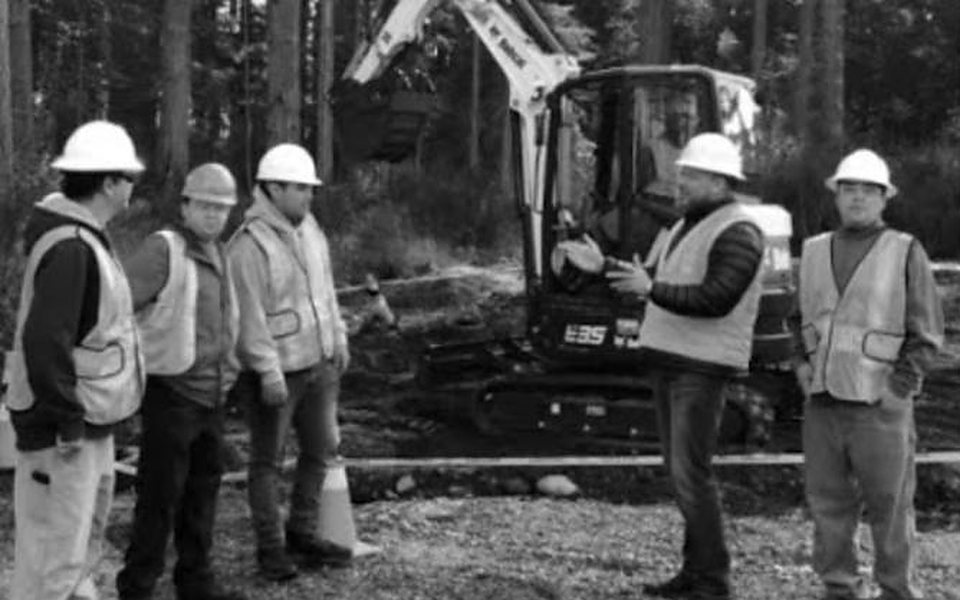
Grey Snow Training Academy instructor teaching trainees in hard hats beside a compact excavator Image: Grey Snow Training Academy

Grey Snow Communications

An Iowa Tribe of Kansas and Nebraska company. Grey Snow champions tribal sovereignty and helps tribally owned businesses reach their full potential, with deep experience in fiber network development.

  • Grant management
  • Project management
  • Engineering and permitting
  • Construction development
  • PON design
  • Fiber workforce training

Grey Snow's Fiber Construction Training Academy runs a 10-day Underground Utility Construction boot camp (UG101) and 5-day HDD and excavator certification courses, taught with instructors from Vermeer NW, Trenchman, DCI, and other industry partners. Aerial construction, fiber splicing and testing, and flagging courses are listed as coming soon.

Visit Grey Snow Communications → See the Training Academy →
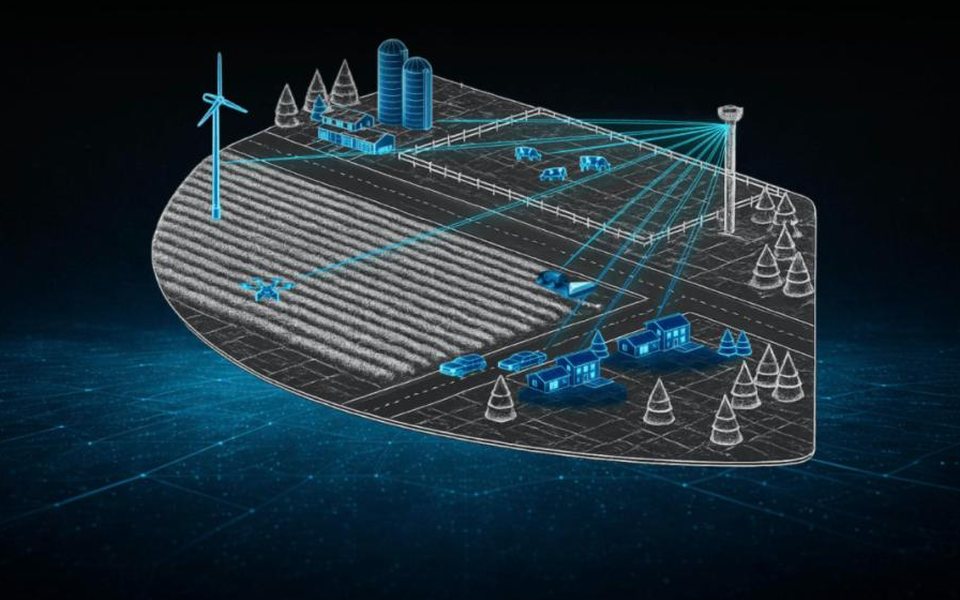
Skylark Wireless illustration of one tower beaming connections to homes, farm equipment, and vehicles across a rural area Image: Skylark Wireless

Skylark Wireless

Skylark designs and builds last-mile wireless equipment for service providers, enterprises, and governments. Its Massive MIMO radios are our preferred wireless platform for remote tribal networks.

  • Massive MIMO radios
  • Up to 64 antennas per radio
  • Assembled and tested in the USA
  • Built for BEAD and RDOF
  • Remote software upgrades

New to Massive MIMO? See the plain-language explainer below.

Visit Skylark Wireless →

Skylark technology, explained

Why Massive MIMO works so well out here

MIMO stands for "multiple input, multiple output." In plain terms, it means one radio with many small antennas that can talk to many homes at the same time.

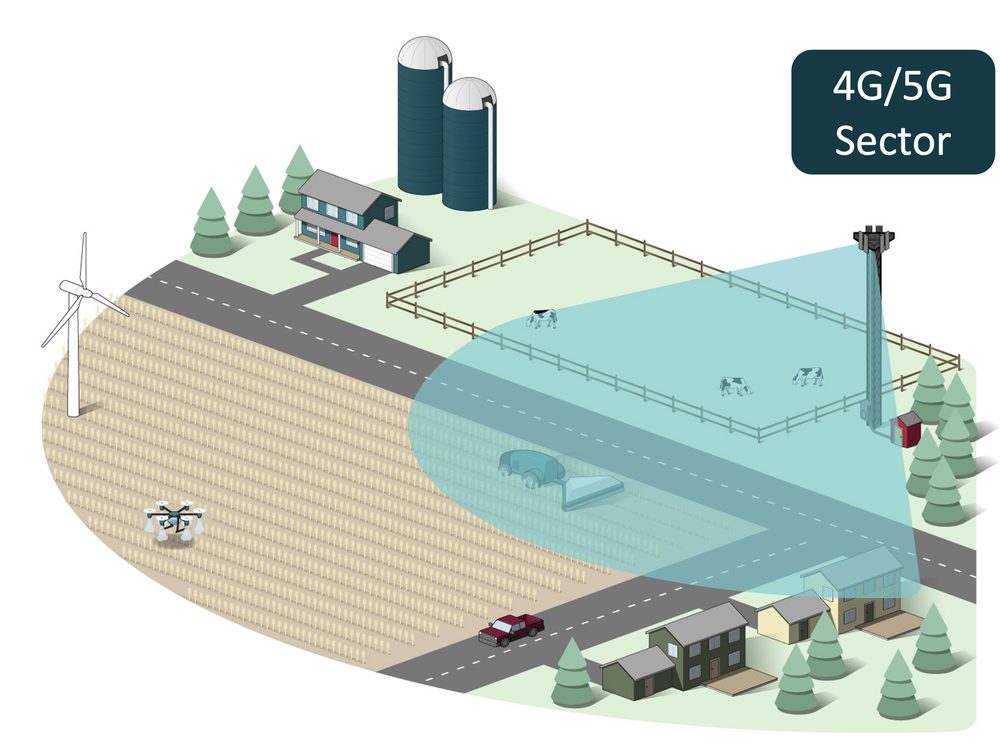
Traditional 4G or 5G sector antenna covering a wide wedge of farmland, homes, and roads with one shared signal
A traditional tower sends one wide signal, like a floodlight. Every home shares it and takes turns, so speeds drop as more people get online, and much of the signal is wasted on empty land. In Skylark's example, one 20 MHz channel carries about 100 Mbps.
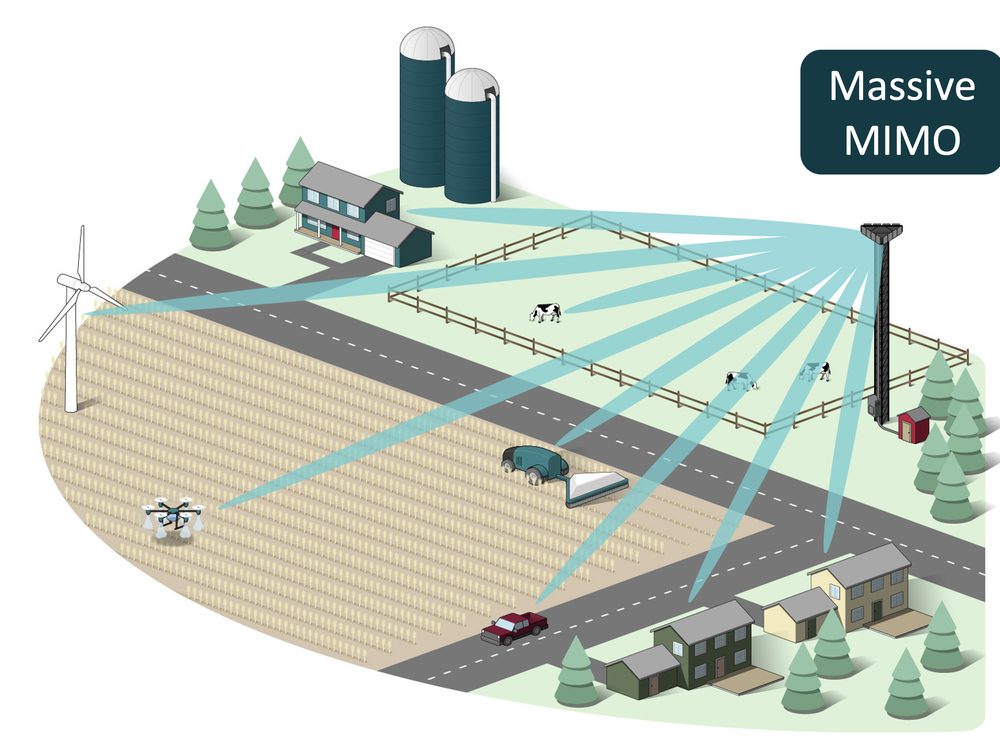
Skylark Massive MIMO tower sending separate narrow beams to individual homes, vehicles, and farm equipment
A Skylark Massive MIMO radio uses many antennas to aim a separate beam at each home, like a set of spotlights. Several homes are served at the same moment on the same airwaves. In Skylark's example, the same 20 MHz channel carries about 800 Mbps.

Illustrations: Skylark Wireless, used with permission.

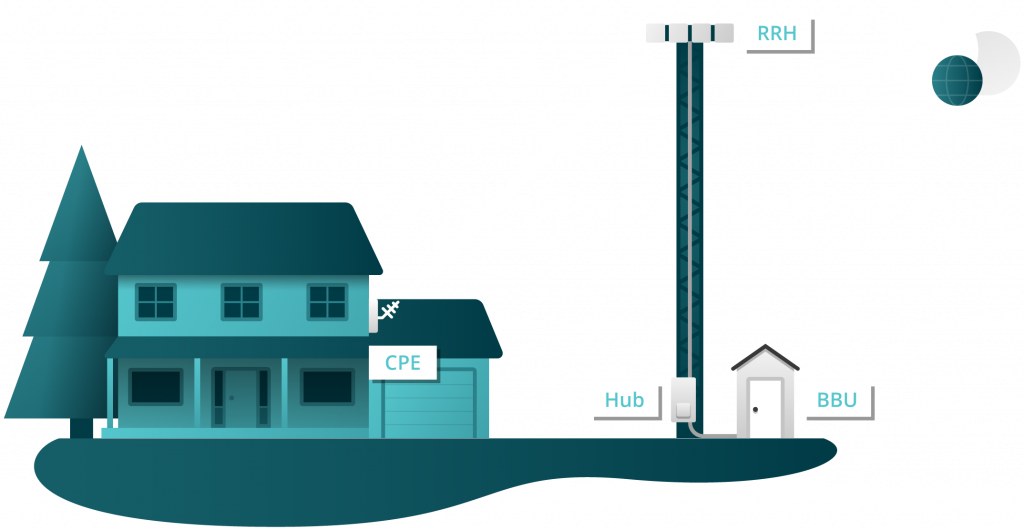
Diagram of a Skylark network: the BBU in an equipment shelter connects through a hub at the tower base to the RRH radio at the top of the tower, which beams service to the CPE antenna on a home

From the tower to your home

  1. BBU
    The brain. The baseband unit sits in a small equipment shelter by the tower. It connects to the internet and decides which home gets which beam.
  2. Hub
    The connector. A box at the base of the tower that carries data and power between the shelter and the radio up top.
  3. RRH
    The radio. The remote radio head at the top of the tower holds the many antennas that aim a beam at each home.
  4. CPE
    Your antenna. Customer premises equipment is a small antenna on the house. It catches the beam and connects to the Wi-Fi router inside.

More homes per tower

Skylark's 16-layer systems can carry up to 16 separate streams at once, so one tower can serve many more households before it gets crowded.

Longer reach, steadier speeds

Focused beams travel farther and hold up better at the edge of coverage, which matters in tribal and rural areas where homes are miles apart.

Fewer towers to build

Serving more homes from each site means fewer towers, less construction, and lower costs to build and maintain the network.

Works with tribal spectrum

The radios can be set up for many frequency bands, up to 7.4 GHz, including the 2.5 GHz and CBRS bands that tribal networks often use.

Upgrades without a truck roll

The radios are software-defined, so new features and future standards arrive as remote updates instead of new hardware.

Ready for federal funding

Equipment is assembled and tested in the USA and built to meet federal broadband program rules such as BEAD and RDOF.

Want the basics first? Our free Learning Center class How Wireless Works explains radio waves, frequencies, and towers step by step.

Interested in partnering with Numu?

We are always looking for partners who share our commitment to tribal sovereignty and community-owned networks.

Contact Us